
Video Production Careers in Malawi: Turn Your Storytelling Skills into Opportunity
From documentaries and television to brand campaigns, music videos and social media, video production offers Malawian creatives multiple paths to employment, freelance work and entrepreneurship.
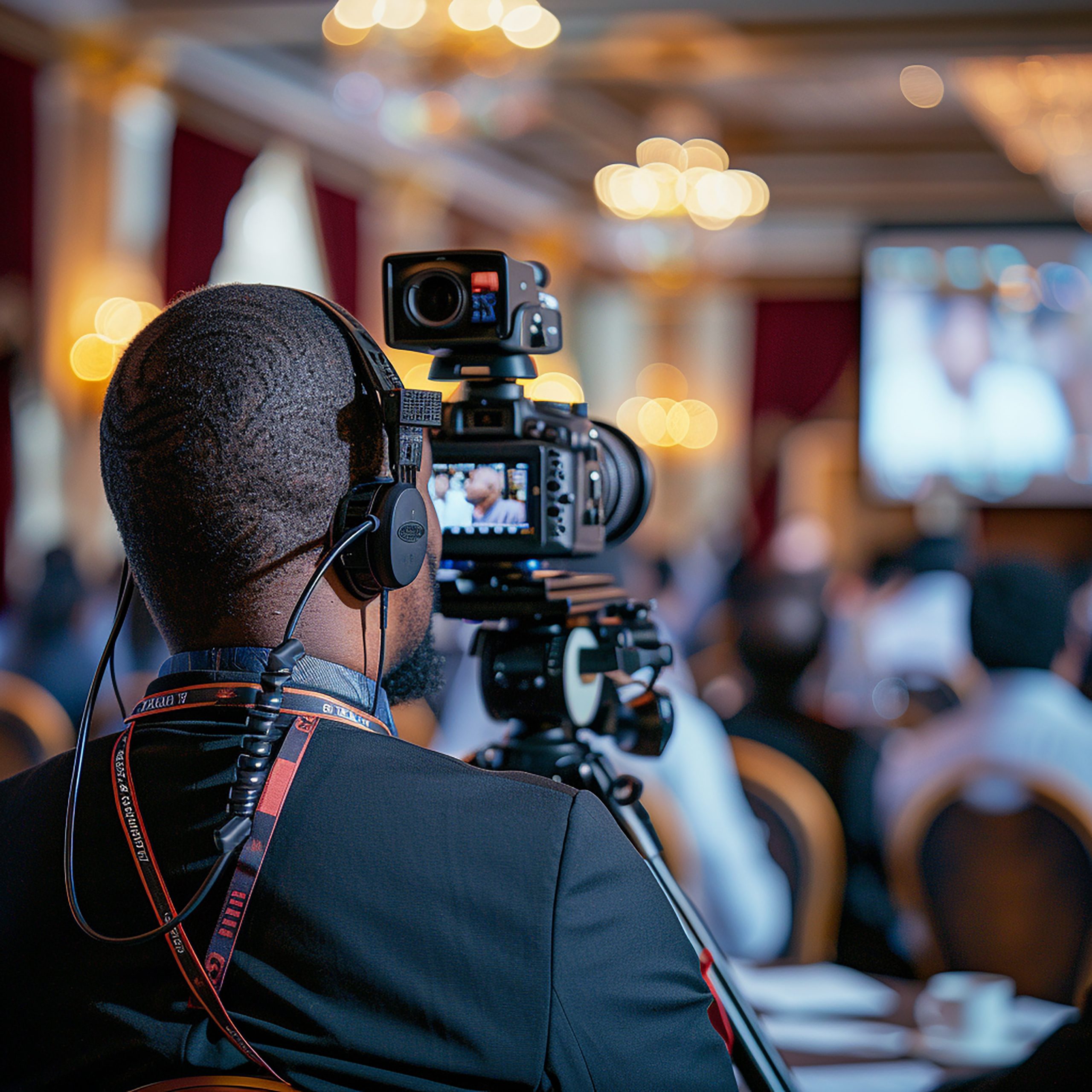
A business preparing to launch a product needs an advertisement. A musician wants a compelling visual story for a new release. An NGO needs to document its impact. A hotel wants to show guests the experience it offers. These may look like different assignments, but all rely on a common skill: telling stories through moving images and sound.
In Malawi, video production can offer employment in media and communications as well as self-employment through client work. The market is still developing, and success is not guaranteed. But an aspiring filmmaker no longer has to wait for a feature-film contract to practise professionally: a powerful short documentary, product demonstration, corporate interview or well-edited social video can become a portfolio piece and a commercial service.
Why video production is becoming more relevant
Video serves more than entertainment. It helps organisations explain complex ideas, market products, demonstrate services, tell community stories and preserve cultural experiences. Malawi’s growing—though still limited—digital audience creates one distribution channel, while television, events, institutions and commissioned productions offer others.
According to DataReportal’s Digital 2026: Malawi report, the country had approximately 4.02 million internet users and 2.40 million social media user identities based on late-2025 data. These are digital-audience estimates, not counts of people paying for video content. They nevertheless underline why organisations increasingly need material suited to both digital channels and traditional distribution.
Meanwhile, UNDP reported in October 2026 that a national Creative Economy and Investment Forum was being organised with a dedicated film track, business masterclasses and discussions on financing, rights and distribution. The announcement also recognised constraints such as access to equipment, investment, business skills and sustainable markets. This is a promising signal for creative industry development, but it does not mean that production companies suddenly have large numbers of vacancies.
What can you become with video production skills?
Camera Operator / Videographer
Plan shots, work with lenses, framing and exposure, and capture interviews, events or commercial footage.
Video Editor
Organise footage, structure scenes, control pacing, balance sound, add graphics and deliver polished final videos.
Documentary Filmmaker
Research topics, interview contributors and create responsible factual stories for broadcasters, NGOs and other audiences.
Corporate Content Producer
Produce business profiles, training videos, product explainers, interviews, advertisements and social-media campaigns.
Music Video & Commercial Director
Develop concepts, scripts and visual direction while coordinating performers, crews and production budgets.
Post-production Specialist
Build expertise in motion graphics, colour grading, sound editing or visual effects through additional training.
Other pathways include broadcast production, livestreaming, assistant producing, production coordination, wedding filmmaking, educational media and multimedia communications. Larger productions typically involve teams rather than one person doing everything. With experience, a professional may progress into producer, director, cinematographer, post-production supervisor or studio owner roles.
How much do video production professionals earn?
Reliable public salary statistics focused solely on Malawi’s independent videographers are limited. Paylab provides survey-based salary ranges for media occupations, while U.S. government data offers a clearer international comparator. These markets differ considerably; figures should never be presented as what a Malawian graduate will automatically earn.
MK198,863–475,701
US$75,420
US$74,990
The Paylab Malawi Journalism, Printing Arts & Media survey lists a monthly range of approximately MK198,863–475,701 for its Film Editor role. It is a third-party employee survey, not a representative government labour census. Rates may shift as respondents and methodology change. Moreover, a film editor, a self-employed videographer and a production-company owner are different types of workers with different income structures.
The U.S. Bureau of Labor Statistics also projects about 3% growth in the combined employment of editors and camera operators from 2025 to 2035, with approximately 5,600 openings per year. This is a U.S. projection, not evidence that Malawian video production jobs will grow by the same percentage.
What determines freelance earnings?
Freelance clients are paying for a deliverable rather than a job title. Fees depend on concept development, production days, crew, cameras and lights, transport, editing complexity, revisions, music and image licences, deadlines and usage rights. Owning a camera does not automatically make a project profitable, and an expensive quote is not automatically a fair market price.
Entrepreneurship: start with a service, then grow your studio
A filmmaker can begin small by solving particular clients’ problems. Instead of immediately acquiring costly cinema equipment, start with a dependable production workflow, sound capture, lighting and editing capability. Rent or partner for specialist equipment when the project justifies it.
Business Video Packages
Customer testimonials, product videos, company profiles and promotional campaigns for SMEs.
Event & Wedding Films
Record ceremonies, conferences, celebrations and other events with clear deliverables and delivery dates.
NGO & Development Stories
Produce ethical impact films, interviews, community documentaries and training content with informed consent.
Social Video Retainers
Offer a fixed number of short videos each month for businesses, schools, hospitality venues and service providers.
Editing-Only Services
Work with footage supplied by clients or other producers, reducing the need for frequent on-location shoots.
Livestreaming & Hybrid Events
Support institutions with coordinated cameras, microphones, switching and online streaming where connectivity allows.
Illustrative monthly revenue for a small video studio
Suppose a freelance producer secures two short business videos at MK300,000 each, one event film for MK450,000 and four editing assignments at MK100,000 each in a month. The prices and client volume are hypothetical illustrations, not verified Malawi market rates.
Revenue is not take-home profit. Deduct transport, crew wages, equipment hire, depreciation, storage, data, electricity, tax, music licensing, marketing and time spent without bookings. Some months may have no commissioned work.
How to price without losing money
- Define the brief: duration, purpose, audience, locations and final formats.
- Estimate real costs: preparation, shooting, crew, equipment, travel and post-production.
- Set clear revisions: specify what is included and what triggers an additional fee.
- Protect rights and consent: agree how footage, music, appearances and finished content may be used.
- Plan for contingencies: backup footage, storage, weather, power and delayed payments.
What skills make a strong video producer?
- Storytelling and scripting: turning a client objective into an understandable, engaging narrative.
- Camera techniques: composition, movement, exposure, focus, frame rates and production safety.
- Lighting and sound: capturing usable dialogue and clear visuals in real locations.
- Editing and finishing: narrative structure, audio balancing, colour correction, graphics, captions and export formats.
- Production management: budgets, shot lists, call sheets, backup plans, permissions and schedules.
- Client skills: presenting concepts, interpreting feedback, estimating costs and communicating professionally.
- Responsible practice: consent, representation, copyright, licensed music and secure handling of recorded material.
Some employers prefer formal film or broadcasting qualifications. The U.S. BLS lists a bachelor’s degree as typical for the U.S. occupations it tracks. Yet many commissioned freelance projects depend strongly on a compelling showreel and demonstrated ability. A practical course can help build those skills; a certificate alone does not guarantee employment or satisfy every employer’s requirements.
Is a smartphone enough to start?
For learning and some social-video assignments, a capable phone can be an effective starting camera. Prioritise stable framing, controlled light, clean audio and thoughtful editing. As the work becomes more demanding, you may need better microphones, cameras, lighting and specialist support. Film quality depends on decisions and preparation as much as equipment.
How can Malawian creators enter the industry?
Malawi’s creators face real challenges: financing, distribution, equipment access, limited commissioning budgets and the need for stronger business infrastructure. These challenges have been acknowledged in UNDP’s 2026 creative economy forum announcement and by industry practitioners calling for film training and stronger production capacity. They make professional planning essential.
- Produce three strong portfolio pieces. Create a short interview documentary, a 30-second product commercial and a one-minute promotional story. Use original or licensed content.
- Master the full workflow. Learn pre-production, camera and audio capture, editing, exporting and delivery.
- Understand the customer. Speak with local organisations about the problems video can solve before proposing a shoot.
- Build a network. Work with producers, editors, camera operators, sound recordists, designers and local institutions.
- Price and contract professionally. Use clear briefs, deposits where appropriate, delivery milestones and agreed rights.
- Keep evolving. Learn captions, accessible video, motion graphics, analytics and responsible AI-assisted production.
Turn your ideas into moving stories.
Explore Ace College of Media & Design’s Video Production course and begin developing practical skills in camera work, storytelling, editing and professional production.
References and data notes
Research verified in November 2026. Market figures are contextual indicators, not direct measures of Malawi video production vacancies or guaranteed earnings. Illustrative business fees are hypothetical.
- DataReportal. (2026). Digital 2026: Malawi. Late-2025 internet and social media audience estimates.
- United Nations Development Programme Malawi. (2026, October 9). Malawi Creative Economy and Investment Forum 2026 unveiled. Context on creative sector opportunities, film and financing challenges.
- Paylab. (accessed November 2026). Journalism, Printing Arts & Media salaries in Malawi. Self-reported Film Editor salary guidance.
- U.S. Bureau of Labor Statistics. (2026). Film and Video Editors and Camera Operators. May 2025 wage figures and 2025–2035 U.S. employment projections.
- Nation Online. (2026, April 23). FAMA in drive to boost local film industry. Local industry training and professional development context.
- Joint SDG Fund. (2026, November 24). Malawi’s creative economy has the talent to grow, UN assessment finds. Malawi creative economy context.